
Time to ban industrial fishing in Antarctica. Full stop. NOW!
The Antarctic Avengers are a group of ambitious ocean leaders, renowned scientists, policymakers, wildlife filmmakers, and public figures, united to protect one of the world’s last remaining wildernesses: Our Antarctica. Today they’re asking consumers worldwide to stop buying krill oil supplements, pet food and farmed fish fed on Antarctic krill — putting Norway and other large krill-fishing nations under pressure to choose protection over commercial interests at October’s Antarctic negotiations.
Marine protection in Antarctica is failing
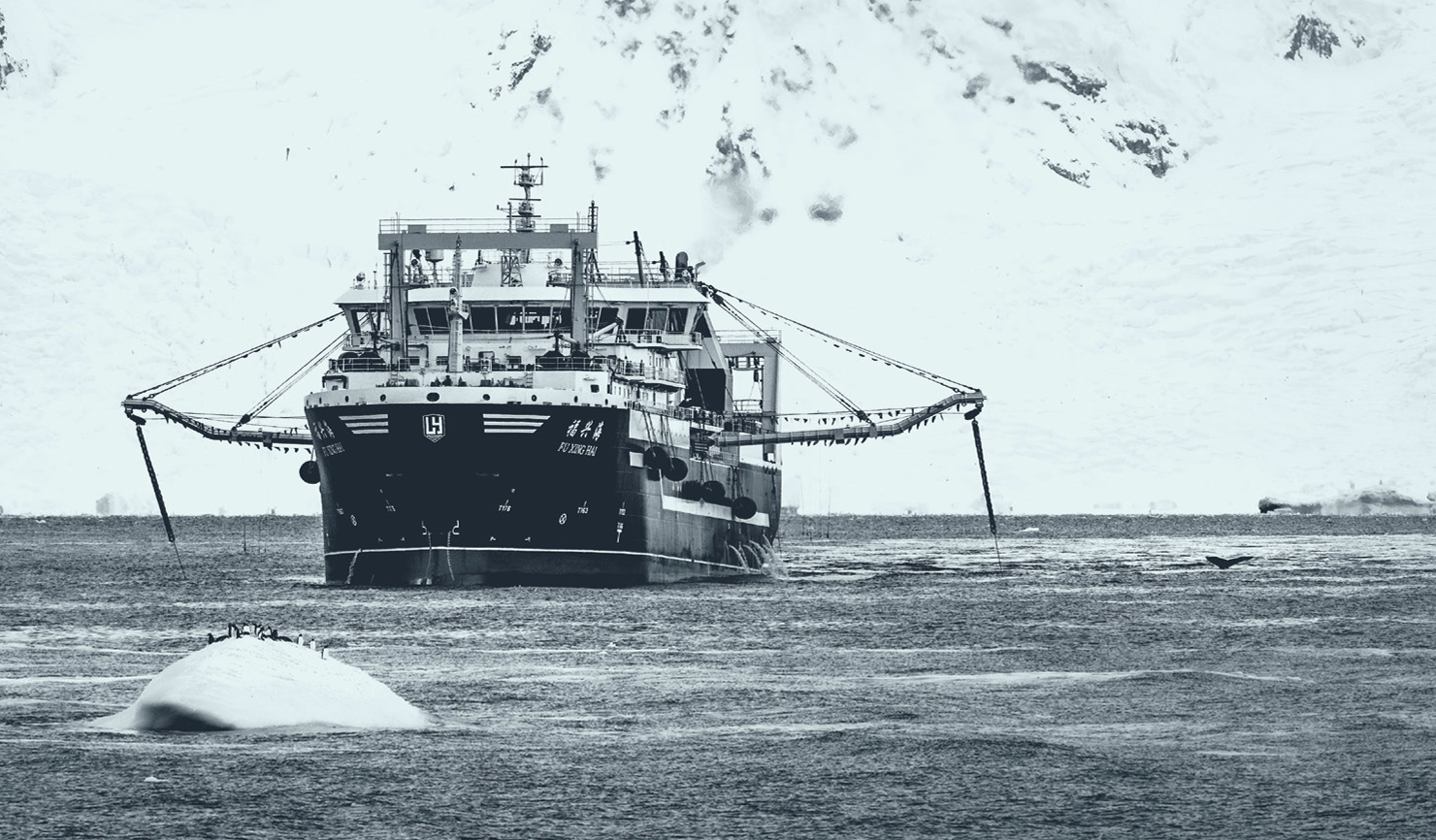
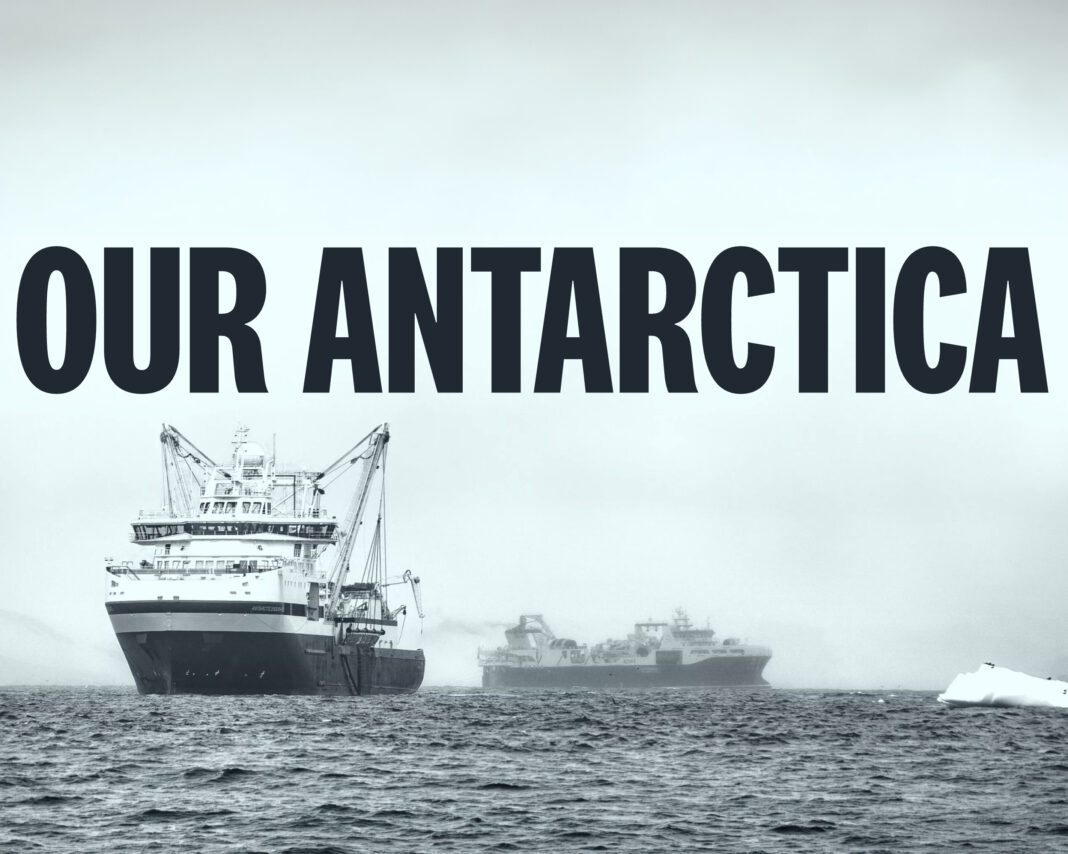
Antarctic krill are the foundation of the Southern Ocean food web: the species whales, penguins, seals and seabirds depend on. They form significant biological stores of carbon in the deep ocean. But they are also industrially harvested, mostly by Norwegian vessels.
That catch is not going to people in need of food. It is processed into omega-3 supplements, pet food and salmon feed, and labeling is not always clear of the connection to Antarctica.
For the second year running, the fishery has hit its catch limit months early. What’s worse, fishing activity is concentrated in the waters off the Antarctic Peninsula that a proposed marine protected area was drawn to safeguard — vital feeding spots for whales, penguins, and seals.
In October, when Norway’s delegation arrives at the Convention for the Conservation of Antarctic Marine Living Resources (CCAMLR) in Hobart, where decisions on catch limits and marine protection are made by consensus, Norway can block protection — or it can champion it.
Boycott krill pills and tell Norway to do the same.
SIGN HERE
If it contains krill, don’t buy it
The Antarctic Avengers ask of consumers is deliberately simple: if it contains krill, don’t buy it. The boycott covers the three markets that industrial krill fishing exists to supply:
+ Omega-3 supplements: capsules that say “contains Antarctic krill” – Buy algae-based products instead.
+ Pet food and treats: including brands such as Nulo, where krill meal and krill oil are used as premium ingredients.
+ Farmed fish fed on krill: aquaculture feed accounts for the large majority of the catch of the world’s biggest krill operator.
None of these uses are essential. Omega-3 fatty acids do not originate in krill at all: krill get them from the microalgae they eat, and algal oil is already commercially available. Every tonne of algal oil can replace roughly 50 tonnes of Antarctic krill, and krill-free alternatives for pet food and aquaculture feed, including algae, flaxseed, hemp and chia oils, are already on the market today.
Our-Antartica.com